
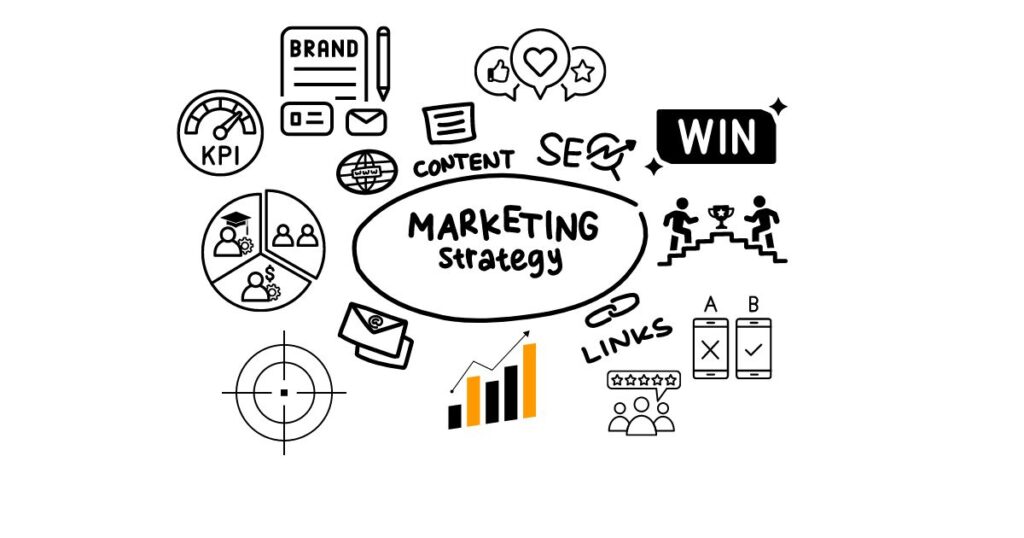
Creating a Winning Digital Marketing Strategy for Startups
Launching a startup is challenging. Having a great product or service is only the beginning — without the right digital marketing strategy, even the best businesses can struggle to attract customers and compete online.
A successful startup marketing strategy requires more than posting on social media or improving website rankings. It requires a complete growth plan that combines market research, branding, AI SEO, content creation, customer understanding, and measurable performance tracking.
At DIGITALLY MARKETED™, we help businesses build digital growth systems designed to increase visibility, attract customers, and create long-term online success.
In this guide, we will explore the 7 essential elements every startup needs to build an effective digital marketing strategy and create a stronger foundation for growth.
📌 Key Takeaways
- Research competitors before creating your marketing plan.
- Create a unique selling proposition that separates your startup.
- Understand your ideal customers through buyer personas.
- Build consistent branding across every digital channel.
- Create content pillars that support business growth.
- Track KPIs to measure and improve performance.
- Use AI SEO strategies to improve online visibility.
Estimated Reading Time: 8 Minutes
📖 In This Guide
- Why Startups Need a Digital Marketing Strategy
- Conducting Competitor Research
- Defining Your Unique Selling Proposition
- Creating Customer Personas
- Building a Strong Brand Identity
- Creating Content Pillars
- Building a Social Media Strategy
- Measuring Success With KPIs
- Frequently Asked Questions
- Final Thoughts
Why Startups Need a Digital Marketing Strategy
Many startups make the mistake of focusing only on individual marketing tactics. They may run advertisements, create social media posts, or publish content without having a clear strategy connecting everything together.
The problem is that disconnected marketing activities rarely create consistent growth.
A strong digital marketing strategy gives your startup a roadmap. It helps you understand your customers, position your brand, create valuable content, and measure what is actually producing results.
Modern startups also need to consider how customers discover businesses today. Search behavior is changing, and AI-powered search platforms are becoming an important part of the buying journey.
💡 AI SEO Insight
Startups that publish helpful content, answer customer questions, and build online authority have a stronger opportunity to appear in Google Search, AI Overviews, and AI-powered recommendations.
1. Conducting Competitor Research
Before creating your startup marketing strategy, you need to understand the competitive landscape.
Competitor research helps you discover what other businesses are doing successfully, where they are falling short, and where your startup can create a unique advantage.
By analyzing competitor websites, SEO strategies, content marketing efforts, branding, and customer engagement, you can identify opportunities to position your business differently.
🔎 Why Competitor Research Matters
- Find keywords your competitors rank for.
- Identify gaps in competitor content.
- Understand customer expectations.
- Discover successful marketing channels.
- Create a stronger brand position.
Tools for Competitor Analysis
Several marketing tools can help startups analyze competitors and make smarter decisions.
2. Defining Your Unique Selling Proposition (USP)
Your Unique Selling Proposition (USP) is what makes your startup different from competitors. It explains why customers should choose your business instead of another option in the market.
Many startups struggle because their messaging sounds similar to everyone else. A strong USP focuses on the specific value your business provides, the problem you solve, and the reason customers should trust your brand.
💡 How to Create a Strong USP
- Identify the biggest problem your product or service solves.
- Understand what makes your solution different.
- Focus on benefits instead of only features.
- Use clear language your customers understand.
- Make your message consistent across your website and marketing channels.
Using Your USP Across Your Marketing
Once your USP is defined, it should become the foundation of your digital marketing strategy.
Your website headlines, advertisements, social media content, email campaigns, and sales messages should all communicate the same core value. Consistent messaging helps customers quickly understand who you are and why they should choose you.
🚀 Startup Growth Tip
A clear message often performs better than complicated marketing. Customers should understand what you offer, who you help, and why you are different within seconds of visiting your website.
3. Developing a Customer Avatar or Buyer Persona
Understanding your ideal customer is one of the most important parts of building a successful startup marketing strategy.
A customer avatar, also called a buyer persona, is a detailed profile of your ideal customer. It includes their goals, challenges, interests, buying behavior, and the problems they are trying to solve.
When startups understand their audience, they can create better websites, stronger advertising campaigns, and content that speaks directly to potential customers.
👥 What to Include in a Customer Persona
- Age range and general demographics.
- Location and customer needs.
- Common challenges and pain points.
- Buying motivations.
- Preferred platforms for discovering information.
- Questions they ask before purchasing.
Why Customer Personas Improve Marketing Results
Without understanding your audience, marketing becomes guesswork. A clear customer persona helps you create content, ads, and offers that are more relevant to the people most likely to become customers.
For example, a startup targeting business owners will use different messaging than a company targeting students or consumers. Understanding your audience allows your marketing strategy to become more focused and effective.
Tools to Understand Your Audience
Startups can use several tools to collect information about their customers and improve their marketing decisions.
- Google Analytics — Helps understand website visitors, traffic sources, and user behavior.
- Customer Surveys — Provide direct feedback about customer needs, challenges, and expectations.
- Social Media Insights — Shows audience demographics, engagement, and content preferences.
4. Establishing a Strong Brand Identity
Your brand is much more than a logo. It represents how customers recognize, remember, and connect with your business.
A strong startup brand combines visual identity, messaging, personality, and customer experience. When these elements work together, businesses can build trust and create stronger relationships with their audience.
🎨 Key Elements of Branding
- Brand Voice: How your business communicates with customers.
- Colors: Visual choices that influence recognition and emotions.
- Logo: A symbol that represents your company’s identity.
- Messaging: The words and ideas customers associate with your brand.
- Customer Experience: How people feel when interacting with your business.
Creating Consistent Branding Across Channels
Consistency is essential for building brand recognition. Your website, social media profiles, advertisements, emails, and marketing materials should all communicate the same visual style and message.
A consistent brand makes your startup appear more professional, trustworthy, and memorable.
💡 AI SEO Insight
Strong branding combined with helpful content helps search engines and AI systems better understand your business, services, and areas of expertise.
5. Creating Content Pillars
Content pillars are the main topics and themes that guide your marketing content. They help startups create a clear content strategy instead of randomly publishing posts without a specific purpose.
A strong content strategy focuses on topics that educate your audience, solve their problems, and position your startup as a trusted resource in your industry.
Most businesses should begin with 3-5 core content pillars that connect directly to their products, services, and customer needs.
📚 Examples of Content Pillars
- Educational Content: Guides, tutorials, and answers to customer questions.
- Industry Insights: Trends, updates, and expert opinions.
- Customer Success: Case studies, reviews, and success stories.
- Product Education: Explaining features, benefits, and solutions.
- Behind-the-Scenes: Company culture and brand stories.
How Content Pillars Improve Marketing
Content pillars make your marketing more organized and consistent. They help your team create content that supports your business goals while providing value to your audience.
For example, a startup offering AI marketing services may create content around AI SEO, website optimization, digital advertising, and business growth strategies. These topics reinforce the company’s expertise and attract the right audience.
🚀 Content Strategy Tip
Do not create content only to fill your website. Create content that answers real customer questions and demonstrates your expertise. Helpful content builds trust with people and improves visibility in search engines and AI-powered search platforms.
6. Building a Social Media Calendar
Consistency is one of the biggest factors in successful social media marketing. A social media calendar helps startups plan content ahead of time and maintain a steady presence across platforms.
Instead of creating posts whenever you have free time, a calendar allows your business to strategically organize educational content, promotions, customer stories, and brand updates.
📅 What to Include in a Social Media Calendar
- Content topic and purpose.
- Publishing date and time.
- Target audience.
- Platform being used.
- Images, videos, or graphics needed.
- Call-to-action for the audience.
Choosing the Right Social Media Platforms
Startups do not need to be active on every platform. The best strategy is to focus on the channels where your ideal customers spend their time.
- LinkedIn: Effective for B2B companies, professional services, and industry authority.
- Instagram: Useful for visual brands, products, and community building.
- Facebook: Helpful for local businesses and customer communities.
- YouTube: Valuable for educational content, demonstrations, and long-form videos.
- TikTok: Useful for brands targeting audiences that engage with short-form video content.
Social Media Management Tools
Several tools can help startups schedule content, monitor engagement, and manage multiple platforms more efficiently.
- Hootsuite — Helps schedule posts and manage multiple social media accounts.
- Buffer — A simple scheduling platform for planning and publishing content.
- Metricool — Provides analytics for social media, websites, and advertising performance.
7. Setting KPIs to Measure Marketing Success
A digital marketing strategy is only successful when you can measure the results. Key Performance Indicators (KPIs) help startups understand what is working, what needs improvement, and where marketing efforts should be adjusted.
Without tracking performance, businesses may spend time and money on strategies that do not produce meaningful results.
📊 Important Digital Marketing KPIs
- Website Traffic: Measures how many people visit your website.
- Conversion Rate: Shows how effectively visitors become customers.
- Customer Acquisition Cost (CAC): Measures the cost of gaining new customers.
- Return on Investment (ROI): Shows whether marketing generates profitable results.
- Engagement Rate: Measures interactions with your content.
- Lead Generation: Tracks potential customers entering your sales process.
Tracking and Improving Your Marketing Strategy
Successful startups regularly review their marketing data and adjust their strategy based on performance. Digital marketing is not a one-time activity — it requires continuous testing, improvement, and optimization.
Tools like Google Analytics, advertising platforms, and marketing dashboards provide valuable insights into customer behavior and campaign performance.
📋 Startup Digital Marketing Checklist
- ☑ Research competitors and identify opportunities.
- ☑ Define your unique selling proposition.
- ☑ Create detailed customer personas.
- ☑ Establish consistent branding.
- ☑ Build content pillars.
- ☑ Create a social media plan.
- ☑ Track important marketing KPIs.
- ☑ Continuously improve based on data.
Frequently Asked Questions About Digital Marketing Strategies for Startups
What is a digital marketing strategy for startups?
A digital marketing strategy is a structured plan that helps startups attract customers, increase online visibility, and grow their business using channels such as SEO, content marketing, social media, email marketing, and online advertising.
Why do startups need digital marketing?
Digital marketing helps startups compete with established businesses by allowing them to reach targeted audiences, build brand awareness, generate leads, and measure results more effectively than traditional marketing methods.
What is the most important part of a startup marketing strategy?
The most important part is understanding your audience and creating a clear message. When startups know who they serve, what problems they solve, and how they are different, every marketing activity becomes more effective.
How long does it take for a digital marketing strategy to work?
Results depend on the marketing channels used, competition, budget, and execution. Some strategies like paid advertising can generate traffic quickly, while SEO and content marketing typically require consistent effort over time to build authority and long-term visibility.
Should startups focus on SEO or paid advertising?
A balanced approach often works best. Paid advertising can provide immediate visibility and leads, while SEO builds long-term organic traffic and online authority. Combining both creates a stronger growth strategy.
How can AI SEO help startups grow online?
AI SEO helps businesses create content and website experiences that are easier for search engines and AI-powered platforms to understand. By answering customer questions, building expertise, and creating helpful content, startups can improve their chances of being discovered through modern search experiences.
Final Thoughts
Creating a successful digital marketing strategy for startups requires more than using individual marketing tactics. Growth comes from combining research, branding, customer understanding, valuable content, and measurable goals into one complete strategy.
By analyzing competitors, defining a unique selling proposition, understanding your audience, creating consistent branding, developing content pillars, planning social media, and tracking KPIs, startups can build a stronger foundation for sustainable growth.
The digital landscape continues to change, especially with the rise of AI-powered search. Businesses that focus on helpful content, strong branding, and customer-focused strategies will have a better opportunity to stand out and attract customers online.
🚀 Ready to Grow Your Startup Online?
At DIGITALLY MARKETED™, we help businesses grow with AI SEO, website design, Google Ads, branding, and digital marketing strategies designed to generate measurable results.
Whether you are launching a new startup or improving an existing online presence, our team can help you build a stronger digital foundation and attract more customers.
Explore More:
Helpful Resources
- Google Analytics — Track website visitors, customer behavior, and marketing performance.
- SEMrush — Research keywords, competitors, and SEO opportunities.
- Ahrefs — Analyze backlinks, rankings, and competitor strategies.
- Metricool — Monitor social media and digital marketing performance.
- Buffer — Plan and schedule social media content.
DIGITALLY MARKETED™
Helping businesses grow with AI SEO, website design, branding, Google Ads, affiliate marketing, and digital growth strategies.